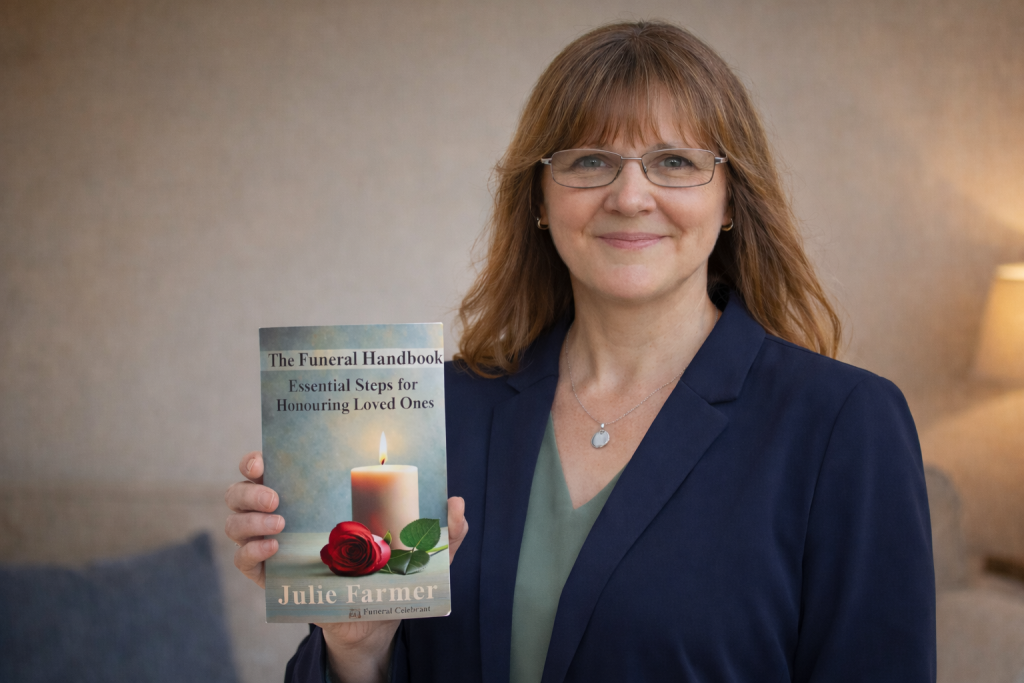
One of the chapters in my book, entitled The Funeral Handbook – Essential Steps for Honouring Loved Ones, explores the different funerals available today. It is a subject that often surprises families.
Many people assume there is only one format. A church service followed by burial or cremation. In reality, there are several options, and each one carries its own tone, structure, and expectations. Understanding the differences helps families make decisions with clarity rather than confusion.
Traditional Church Service
A traditional church service is led by a priest or minister and follows a recognised liturgy. The structure is defined; the prayers are set, and the service takes place within the church building.
For families who attend church regularly, this feels grounding. The familiarity of the setting, the language and the ritual can bring real comfort. However, it also means the structure is guided by church tradition. There is less flexibility in format, and the clergy lead the service.
Crematorium Service
A crematorium service is usually shorter because of chapel time restrictions. The tone may be religious, nonreligious or a blend of both.
This format allows more flexibility, but it requires careful preparation. Music, readings and tributes must fit within the allocated time. A well-prepared service flows naturally and does not feel rushed. The shorter timeframe often surprises families. Knowing this in advance helps them plan thoughtfully rather than trying to fit everything in at the last moment.
Direct Cremation
Direct cremation has become more common in recent years. In this arrangement, there is no formal service at the time of cremation. The cremation takes place privately, and families may hold a separate memorial later.
This option removes immediate pressure, but it does not remove the need for acknowledgement. Many families later realise they would like a structured gathering to share stories and mark the life properly.
Even when there is no formal funeral on the day of cremation, reflection still matters.
Celebration of Life
A Celebration of Life is often less formal and can take place in a hall, garden, village venue or even at home. The tone may feel lighter, focusing on personality, memories and music.
While it may appear informal, it still benefits from structure. A clear beginning, middle and closing provide reassurance to those attending. Without that framework, the event can feel uncertain rather than comforting.
Humanist Services
Humanist services are non religious ceremonies that focus entirely on the life lived. They do not include prayers or references to faith. For some families, this clarity feels right. For others, it may feel too defined if elements of faith played a part in the person’s life. Understanding the distinction between a humanist service and a non religious service with optional faith elements helps families choose what truly reflects their loved one.
Burial at Sea
Burial at sea is less common but remains meaningful for those with a naval background or a deep connection to the water. It involves specific regulations and practical considerations.
The ceremony itself can be simple and deeply symbolic. As with any service, preparation and clarity are essential.
Why This Matters
The type of funeral chosen shapes the entire experience. It shapes the tone. It shapes the role of the officiant. It shapes what is possible within the ceremony.
When families understand the options available, they make decisions calmly. They feel informed rather than rushed. They avoid misunderstandings later.
There is no single correct way to hold a funeral. There is only the way that feels right for that family and the person being honoured.
Education removes uncertainty.
That is why I included this chapter in my book. I want families to feel confident when they are making these decisions. Whether someone chooses a traditional church service, a crematorium ceremony, or something more personal, the important thing is that it reflects the life lived. When people understand their options, they move from pressure to clarity. And clarity makes all the difference.
You may also be interested in the following articles
- A Funeral is more than a ceremony written by a Funeral celebrant in Oxfordshire
- Can a Funeral Celebrant Include Religious Prayers? Understanding Boundaries, Respect and Responsibility
But the book…

Buy the book – The Funeral Handbook